
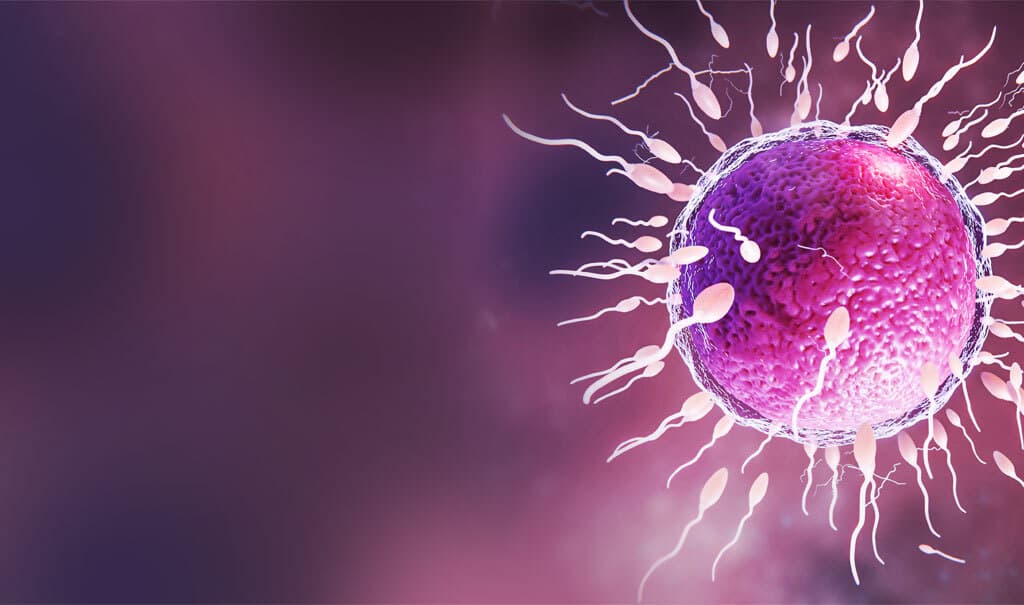
Infertility testing helps identify possible reasons for difficulty conceiving. We offer a careful evaluation for both partners and explain every result clearly.
Infertility workup
A complete workup combines medical history, physical assessment and selected tests to build a clear picture of reproductive health.
Infertility Workup
An infertility workup is a complete evaluation that looks at all the possible factors affecting your ability to conceive. It usually includes a detailed medical history, physical examinations, and specialized tests for both partners. The goal is to get a clear picture of your reproductive health so our doctors can recommend the right treatment plan tailored to your needs.
An infertility workup is a complete evaluation that looks at all the possible factors affecting your ability to conceive. It usually includes a detailed medical history, physical examinations, and specialized tests for both partners.
What leads to Infertility?
Infertility can be caused by a variety of factors in either partner. In women, common causes include ovulation problems, blocked fallopian tubes, endometriosis, or hormonal imbalances. In men, infertility is often linked to low sperm count, poor sperm movement, or genetic conditions. Lifestyle factors such as stress, obesity, smoking, and age can also play a role.
The good news is that with the right diagnosis and treatment, many couples are able to overcome these challenges and achieve parenthood.
How to check for Infertility?
Checking for infertility begins with a detailed consultation and medical history for both partners. Doctors may recommend blood tests to check hormone levels, ultrasound scans to look at reproductive organs, and semen analysis to assess sperm health. In some cases, additional tests like ovulation tracking or imaging of the fallopian tubes may be suggested.
These evaluations help identify the underlying causes and guide the right treatment plan for your journey to parenthood.
Female Fertility Assessment
Female fertility depends on healthy ovaries, eggs, fallopian tubes, and uterus. A fertility assessment usually includes:
Medical history & lifestyle review – understanding menstrual cycles, past pregnancies, and overall health.
Blood tests – to check hormone levels and egg reserve (AMH, FSH, LH, thyroid).
Ultrasound scan – to examine the ovaries, uterus, and follicle development.
Ovulation tracking – to confirm if eggs are being released regularly.
Imaging tests (like HSG or sonohysterography) – to see if fallopian tubes are open and the uterine cavity is healthy.
This helps doctors identify common issues such as irregular ovulation, blocked tubes, endometriosis, or hormonal imbalance.
Male Fertility Assessment
Male fertility is mainly measured by sperm health and reproductive function. A fertility assessment typically includes:
- Medical history & lifestyle review – checking past illnesses, medications, habits like smoking or alcohol.
- Semen analysis – the key test to measure sperm count, motility (movement), shape, and overall quality.
- Blood tests – to check hormone levels that affect sperm production.
- Physical examination – to identify any conditions affecting testicles or reproductive organs.
This helps detect issues like low sperm count, poor sperm movement, or other underlying health concerns.